

BOM Management Tools for Fashion Brands
A Bill of Materials, usually shortened to BOM, is the list that spells out exactly what a product is made of. In fashion, that can mean every fabric, trim, label, button, zip, lining, thread, and packaging component, plus any key processes that affect the final outcome, such as dyeing or finishing.
When the BOM is right, everything downstream gets easier. Costing is more accurate, sampling is faster, suppliers know what to buy, and production teams can plan with confidence. When the BOM is wrong, the knock-on effect is immediate. Orders go out with the wrong components, deliveries slip while someone chases missing details, and costs creep up because last-minute changes are rarely kind to margins.

What a BOM looks like in real life
A fashion BOM can be simple or detailed, depending on product complexity and how your supply chain is set up. A basic BOM example might list the main fabric, the zip, and the care label. A more detailed BOM includes colourways, component lead times, minimum order quantities, approved alternates, and the exact technical specs needed for quality and compliance.
Here is a simplified bill of materials example for a women’s cotton shirt:
- Main fabric: 100% cotton poplin, 120gsm, optical white, supplier and finish
- Buttons: 8 x 11mm, recycled polyester, colour matched, approved supplier style
- Sewing thread: polyester, colour matched
- Care label: woven, approved fibre content and symbols for target markets
- Packaging: polybag or paper wrap, size sticker, carton spec
Even in a small example like this, each line item has decisions attached to it, and those decisions need to be consistent from design through to production.
Why managing BOMs manually causes problems
Spreadsheets, email threads, and shared drives can work in the early days, but they tend to break under pressure. The more styles you run, the more suppliers you use, and the tighter your drop dates become, the easier it is for small gaps to turn into expensive mistakes.
Common pain points include:
- Version confusion. Someone updates a cost or spec, but another team is still using an older file.
- No clear, shared version. Merchandising, product development, and suppliers each have slightly different numbers.
- Costing errors. A unit mismatch, a currency slip, or a missing quantity can quietly distort margins.
- Supplier misalignment. If component codes and specs are unclear, suppliers either pause for clarification or substitute to keep things moving.
- Slow approvals. When information is scattered, sign-off becomes a hunt rather than a decision.
The environmental case for getting BOMs under control
BOM accuracy is not only an operational win, but it also has a direct impact on waste.
When a BOM is unclear, factories and suppliers hedge their bets. They over-order trims, cut extra fabric to cover uncertainty, and run additional samples because the first round did not match the intended spec. Multiply that across multiple styles and seasons, and it adds up quickly.
It also sits in a changing regulatory landscape. In the EU, new rules linked to the Ecodesign for Sustainable Products framework are pushing for more transparency around products. The European Parliament notes that from 2026, the destruction of unsold clothing, shoes, and accessories will be banned for large companies, with reporting obligations moving in the same direction.
A well-managed BOM helps because reliable product data supports more accurate costing, smarter buying, and cleaner handovers from design to production. It also makes it easier to answer sustainability questions with evidence rather than estimates.
What modern BOM management tools do differently
Good BOM management tools and software replace fragile spreadsheets with a structured system that is easier to control, easier to audit, and easier to share.
Centralised, structured BOM records
Instead of a free-form file, each product has a consistent BOM record with standard fields, units, and links to related product data. That structure reduces human error and makes the data searchable.
Cleaner BOM creation
Most platforms support templates, component libraries, and rules, so the team is not rebuilding the same BOM from scratch each season. Reusing approved components also helps reduce duplication and keeps naming consistent.
Version history and approvals
When a component spec or quantity changes, the system logs it. Approvals can be built into the workflow so key changes are reviewed before they reach suppliers.
Costing and margin visibility
BOM quantities can be connected to cost data, so that merchandising and finance can see true cost and margin earlier. If a trim price changes, you can quickly see which styles are affected.
Supplier collaboration and clarity
Many tools allow suppliers to view, confirm, or comment on BOM details in a controlled way. That reduces email back and forth and lowers the risk of silent substitutions.
Links to tech packs and compliance data
A BOM works best when it is connected to the tech pack, colourways, and compliance documents. That keeps quality expectations clearer and reduces risk in production.

Operational benefits for production teams and suppliers
BOM management is often framed as a product development improvement, but the downstream benefits are where brands typically feel it most.
- Fewer delays. Less time chasing missing details, more time keeping production moving.
- Cleaner purchasing. Procurement can buy the right components in the right quantities, with approved suppliers.
- Better sample accuracy. Factories receive clear inputs earlier, so samples match expectations sooner.
- Less rework. Consistent specs reduce misunderstandings that lead to remakes.
- More predictable lead times. Component lead times can be tracked, flagged, and planned around.
Suppliers benefit too. Clear BOMs reduce disputes, help them plan their own buying, and make repeat orders easier.
How to integrate BOM management into your existing PLM or ERP
For most brands, the goal is not to add another standalone tool; it is to improve how product data flows between systems.
A practical approach looks like this:
- Set ownership. Decide who owns BOM data, who can edit it, and who approves changes.
- Clean the component library. Standardise names, units, and supplier codes before you migrate.
- Define the source of truth. Many brands keep BOMs in PLM software and push confirmed cost and purchasing data into ERP systems. The key is avoiding two competing versions.
- Map fields carefully. Check units, currencies, and colour references; small mapping errors create daily friction.
- Pilot before you roll out. Start with one product group, prove the workflow, then expand.
- Involve suppliers early. If suppliers will collaborate in the system, design the process with them, not just for them.
Where to start
If you are exploring BOM management tools, begin with a simple audit. Pick a handful of live styles and track where BOM information gets duplicated, where errors tend to appear, and where approvals slow down.
From there, prioritise three things: one agreed version everyone works from, a repeatable approach to BOM creation, and a clear handover to suppliers. That combination reduces errors, speeds up production, and helps cut avoidable waste at a time when both cost pressure and regulation are pushing brands to be more precise.
If you want to bring BOMs, tech packs, approvals, and supplier collaboration into one practical workflow, take a look at Zedonk’s Z Studio fashion PLM software to see how it supports day-to-day product development for any fashion brand.

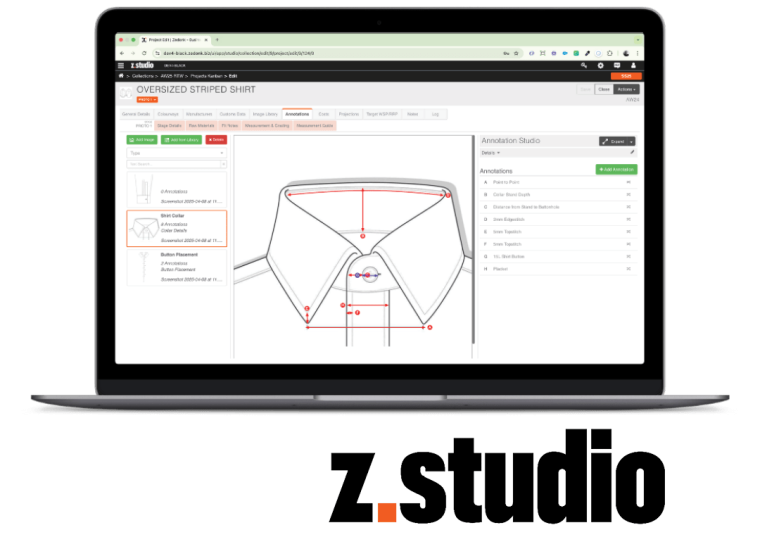 A New Sampling & Tech Pack Solution from Zedonk.