
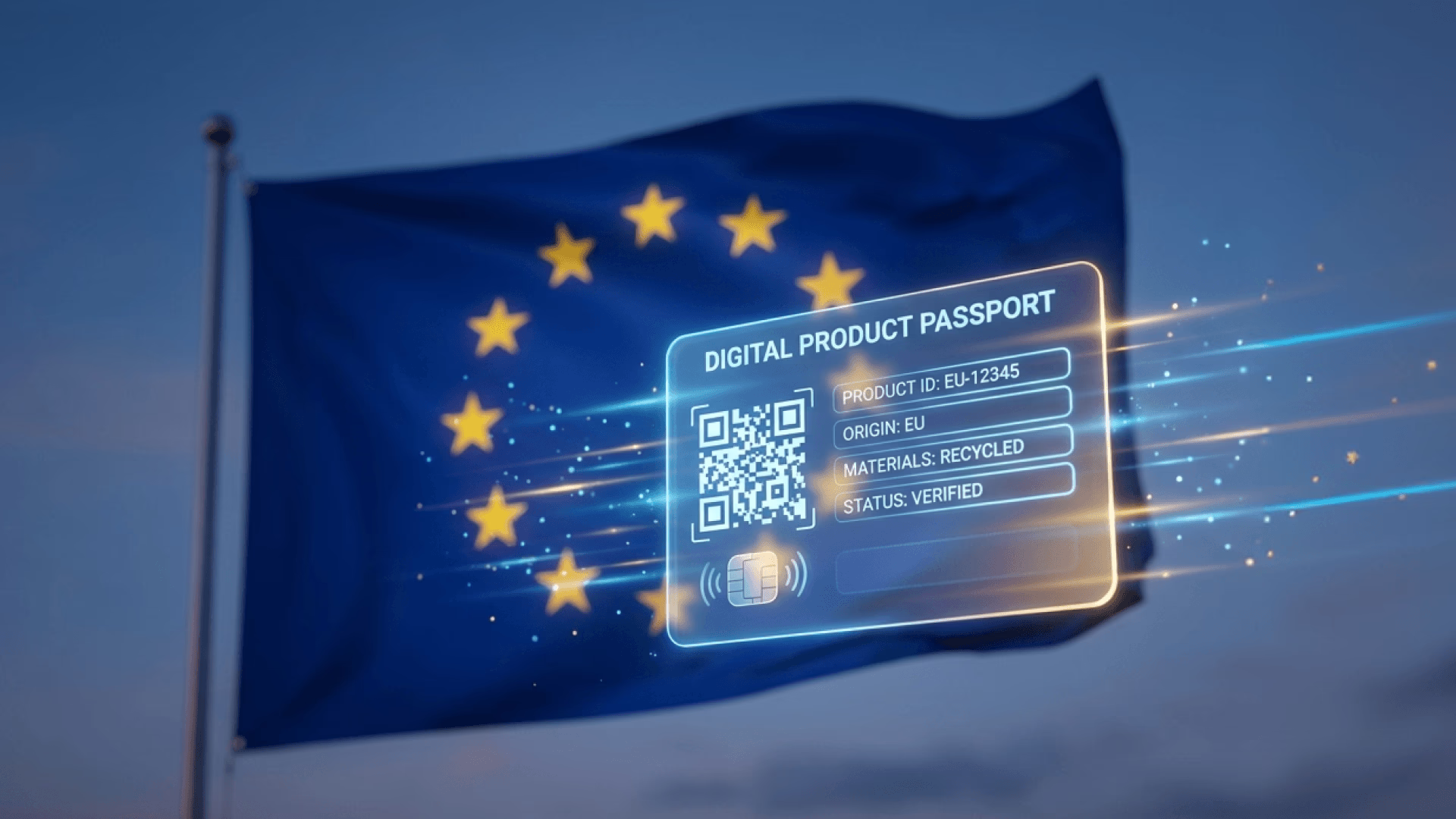
Navigating EU Digital Product Passports & UK Textiles EPR Compliance
The fashion and apparel industry is facing a monumental shift in regulatory requirements. As sustainability moves from a brand differentiator to a legal necessity, fashion brands trading in the UK and European Union must prepare for two major regulatory frameworks: EU Digital Product Passports (DPP) and UK Textiles Extended Producer Responsibility (EPR).
For emerging and established fashion brands alike, staying compliant requires full supply-chain transparency, precise data management, and scalable technology. This guide breaks down what these regulations mean for your business and how leveraging PLM for fashion can streamline compliance while boosting operational efficiency.
What is the EU Digital Product Passport (DPP)?
The EU Digital Product Passport (DPP) is a key component of the European Union’s Ecodesign for Sustainable Products Regulation (ESPR). Designed to promote a circular economy, the DPP requires brands selling products within the EU to collect, structure, and share detailed product lifecycle data.
Key Requirements of EU Digital Product Passports:
- Traceability: Detailed information on raw material origin, manufacturing processes, and supply chain partners.
- Material Composition: Full breakdown of fibres, recycled content, and chemical usage.
- Durability & Repairability: Guidance on care instructions, repair services, and end-of-life recyclability.
- Accessibility: Data must be easily accessible to consumers, regulators, and recyclers via a scannable data carrier, such as a QR code or RFID tag.
What is UK Textiles EPR Compliance?
While the EU advances its ESPR directives, the UK government is developing its own Extended Producer Responsibility (EPR) scheme for textiles. EPR places the financial and operational responsibility on brands and manufacturers for the entire lifecycle of their products, particularly post-consumer waste management.
Key Objectives of UK Textiles EPR:
- Eco-Fee Modulation: Brands that produce lower-impact, durable, and recyclable garments will pay lower compliance fees, whereas fast, non-recyclable fashion will incur higher penalties.
- Waste Reduction: Encouraging brands to invest in circular business models, repair programs, and textile-to-textile recycling.
- Data Reporting: Requirement for accurate, auditable reporting on total unit volumes, material composition, and tonnage placed on the market.
How EU DPP and UK EPR Impact Fashion Brands
Whether you are a UK-based fashion brand exporting to Europe or an international label selling into the UK market, these regulations require a fundamental change in how product data is handled:
- End of Siloed Data: Managing tech packs, bills of materials (BOMs), and compliance certificates across disparate spreadsheets is no longer viable.
- Supply Chain Visibility: Brands need direct insights into Tier 1 to Tier 4 suppliers to verify material origins and sustainability claims.
- Consumer Transparency: Modern shoppers will gain direct access to product impact scores via scannable labels, turning compliance into a direct driver of brand equity.
The Role of Fashion PLM in Achieving Compliance
Preparing for compliance doesn’t have to disrupt your creative or commercial momentum. Implementing a dedicated Fashion PLM (Product Lifecycle Management) platform is the single most effective way to centralise, manage, and distribute the required product data.
Here is how PLM for fashion simplifies EU Digital Product Passport and UK Textiles EPR readiness:
1. Centralised Data Architecture
A Fashion PLM solution serves as a single source of truth for all product information. From fabric composition and weight to supplier audit documentation, PLM centralises data early in the design stage, making regulatory extraction seamless.
2. Supply Chain Mapping & Bill of Materials (BOM) Tracking
To satisfy EU DPP mandates, brands need granular detail on every trim, fabric, and finishing process. A robust PLM system lets design and production teams build detailed BOMs and automatically map tier-level supplier contributions.
3. Automated Reporting for EPR & DPP Integrations
Instead of manually calculating material tonnage for UK EPR fees, an integrated fashion PLM can automatically aggregate data across collections and provide clear, exportable reports for regulatory filing. Furthermore, PLM systems can feed structured product data directly to DPP QR code generators.
4. Seamless Collaboration Across Teams and Suppliers
Compliance is a cross-functional effort involving designers, production managers, sourcing teams, and external suppliers. A centralised Fashion PLM portal enables real-time collaboration and document sharing, ensuring supplier certificates (e.g., GOTS, OEKO-TEX, GRS) are verified before production begins.
Action Steps for Fashion Brands Today
- Audit Your Current Product Data: Identify gaps in your material composition data, supplier certifications, and traceability records.
- Engage Your Supply Chain: Start requesting deeper transparency and documentation from fabric mills and garment manufacturers.
- Adopt Purpose-Built Technology: Transition from legacy spreadsheets to a dedicated Fashion PLM
Simplify Compliance with Zedonk
Navigating regulatory changes like the EU Digital Product Passport and UK Textiles EPR can feel overwhelming, but with the right systems in place, compliance becomes a competitive advantage.
At Zedonk, our specialised PLM for fashion helps brands streamline production, manage comprehensive product data, and maintain full transparency across their supply chains.
Ready to prepare your brand for the future of fashion regulations? Contact Zedonk today to book a demo and discover how our solutions simplify compliance and product management.