

Fashion thrives on fresh ideas, but those ideas only reach shoppers when the operations behind them run like clockwork. As collections grow, supply chains sprawl, and sustainability goals tighten, even the most organised label can feel swamped. Product Lifecycle Management (PLM) software steps in as a steady hand, gathering sketches, fabric specs, cost sheets, and feedback in one shared hub, giving each team the clarity to move faster and smarter.
Below, we dig into the everyday benefits of PLM software for fashion brands, show how it trims budgets and timelines, and offer straightforward ways to track return on investment.

Why Is Product Lifecycle Management Important?
A sketch pinned to the studio wall travels a surprisingly perilous road before it hangs in a shop window. Fabrics get switched, patterns evolve, samples go missing, and last‑minute price changes can blindside margins. Every hand‑off introduces risk. PLM keeps that whole journey visible in a single space so everyone, from a designer in Paris to a factory planner in Vietnam, works from the same facts. That shared view is the first major benefit of product lifecycle management: less guesswork, faster approvals, smoother launches.
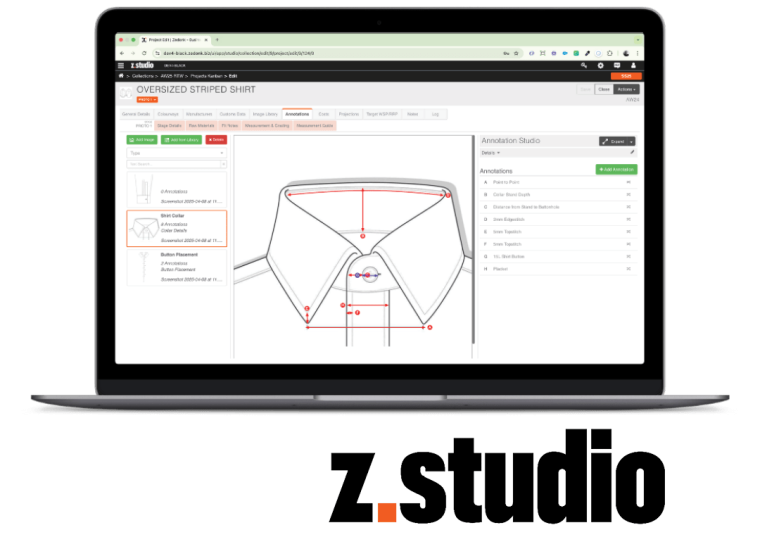
For example, Zedonk’s Z.Studio fashion PLM software protects margins by keeping every measurement, material and construction note inside a single live tech pack, eliminating the spreadsheet sprawl that breeds costly mistakes. Because designers, merchandisers and production managers all work from the same real-time view, with built-in approvals and automatic version history, sample rounds shrink, helping brands achieve the 40% reduction in re-dos that clients report. The same single source of truth syncs with Z.Hub’s purchase‑order and inventory modules, so downstream teams see updates the moment a size spec changes. And when retailers request proof of due diligence, Z.Studio’s fully traceable workflow surfaces every spec change and sign-off in seconds, turning potential audit headaches into simple, click-through confirmations.
Finally, PLM protects creative energy. By reducing admin, it frees designers to experiment more boldly, confident that the details won’t vanish in spreadsheet limbo. That intangible lift, more time to design, fewer fires to fight, often proves the difference between a good range and a headline‑grabbing one.
Key Advantages of Using a PLM in Fashion
1. Speed Without Shortcuts
When sizes, colour approvals and pattern tweaks live in one workspace, sample rounds shrink dramatically. A designer tweaks a collar on Monday, and the factory downloads the updated file before lunch, no “latest version?” emails, no courier delays. Z.Studio’s inline annotation and mark‑up tools display the tweak directly on the tech drawing, so cutters work from indisputable visuals. Over a season, those micro‑wins compound into launch dates that land while the trend is still peaking.
2. Fewer Costly Errors
Shipping garments with last month’s trim code or an outdated care label leads to returns, discounts and bruised retailer relationships. PLM locks old files and records who signed off on what, so the cutting room never has to guess.
3. Seamless Collaboration
Comments live on the sketch, not buried in endless email threads. External partners, like printers or accessory makers, get just the access they need, keeping IP secure while ensuring everyone plays from the same sheet. New hires can pull up an archived style and understand its full history in minutes.
4. Insight‑Driven Decision Making
Z.Studio’s interactive dashboards pivot on product data – sample stage and cost variance, so decisions are driven by facts, not hunches. Users can flip a collection between tile, list, Kanban or pie‑chart views to spot bottlenecks or over‑budget styles in seconds. Colourway and size widgets surface approvals still pending, while the Projection tab models unit costs and order volumes so merchandisers can fine‑tune range breadth long before fabrics are bought. Because the dashboard shares a database with Z.Hub’s margin, purchasing and inventory modules, finance teams see potential cost overruns or capacity clashes early enough to course‑correct.

How PLM Speeds Up Work and Saves Money
Little hold‑ups – waiting for an updated cost sheet, chasing missing trim details – chip away at profit. A modern PLM pulls every key task into a single dashboard, so those pauses disappear. Here are some common ways a good system saves both hours and pounds without naming individual brands:
Fewer sample rounds
When fit notes, pattern tweaks and size comments live in the same digital space , teams often drop from five physical prototypes per style to just two or three. Cutting courier runs and re‑do fittings can trim weeks off a season’s timeline while shaving courier bills by double‑digit percentages.
Less wasted material
Z.Studio, for example, manages raw materials by colour and shares data with Z.Hub raw-material purchasing. Fabric balances let sourcing teams top up or scale back orders before the cloth is cut. Labels that track yardage within PLM typically report double‑digit drops in leftover fabric, freeing up cash for more profitable capsules.
Potentially lower chargebacks
A shared library for care labels and barcode artwork means factories print the right ticket first time. Retailer fines for labelling mistakes can fall sharply, keeping margins intact.
Saved admin hours
Automated task reminders replace endless follow‑ups, giving production planners back several hours each week, time better spent protecting margin or negotiating prices.
Faster data retrieval
Consolidating design, sourcing and cost info under one roof slashes the time spent hunting through inboxes. Teams regularly cite 30 % quicker tech‑pack creation thanks to Z.Studio’s component templates and pre‑built grading tables, which drop into any style with a click.

Measuring ROI
PLM licences, data overhaul and training sessions cost real money, so it’s vital to translate benefits into plain numbers your CFO loves.
- Sample Count: Compare average samples per style pre‑ and post‑PLM. Fewer DHL runs equal direct savings
- Time to Market: Track days from sketch to purchase order. Earlier launches snag full‑price sales and reduce end-of-season markdowns
- Margin Protection: Log every instance a cost alert prevented an emergency air freight or last‑minute material swap
- Dead Stock: Note metres of unused fabric or surplus trims season over season; shrinking leftovers means cash released
- Audit Speed: Time how long it takes to pull a safety certificate. Faster compliance cuts the risk of shipment delays and retailer fines
Tips to Keep PLM Fresh and Friendly
- Start with Data Hygiene: Spend a week cleaning style codes, colour names and supplier lists. It feels tedious, but clean data is the fuel PLM needs.
- Train Little and Often: Swap marathon webinars for bite‑sized videos and team‑specific cheat sheets. Schedule refresher sessions every quarter, staff turnover happens.
- Automate the Obvious: Use rule‑based tasks (auto‑filled trims, calendar reminders) to save brainpower for design and negotiation.
- Celebrate Wins Loudly: Share early victories on Slack, “Sampling rounds down 40 %!” Momentum keeps adoption high.
- Iterate: Review dashboards monthly. If a feature sits untouched, simplify it or retrain; software should flex to your workflow, not vice versa.
Final Stitch
The benefits of PLM software for fashion go beyond consolidated data; they show up as faster launches, stronger margins and calmer workdays. If your studio still wades through “FINAL‑final” files, it might be time for PLM to take the stage. The software won’t sketch your next best‑selling dress, but it will clear the runway so creativity can soar. With Z.Studio, you get everything in one place, so every role can work at runway speed.
Stick to measured goals, do test runs, keep data tidy, and keep the dialogue in your teams open. Nail those steps and you’ll shift from reactive chaos to proactive control, ready to ride fashion’s next wave with confidence. If you want to discuss your options and take a closer look at Zedonk’s new fashion PLM software Z.Studio, book a demo today, or read our article on how much a PLM typically costs in the fashion industry.

 A New Sampling & Tech Pack Solution from Zedonk.