
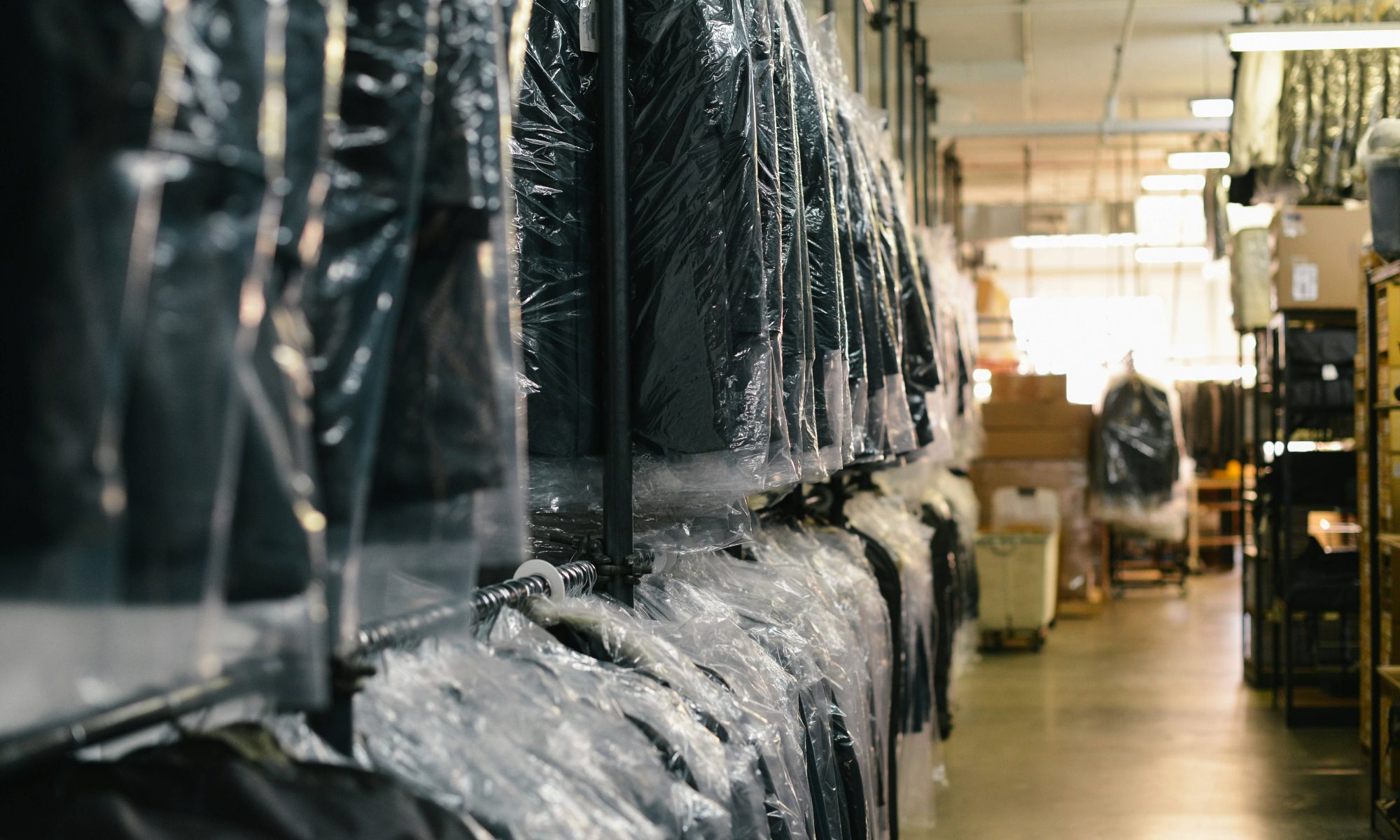
Why 3PL Integration & Fashion ERP Matters and How It Improves Fulfilment Accuracy
As a fashion brand grows, fulfilment gets harder to manage by instinct alone. Orders come in from more channels, stock moves between more locations, and small mistakes become expensive. A delayed shipment, a wrong size allocation, or a warehouse team working from outdated information can quickly affect margins, customer relationships, and confidence in your operation.
That is why more brands are looking closely at 3PL integration and the role of a strong fashion ERP system behind it. Outsourcing warehousing only works well when your systems are connected.
For fashion businesses, that link matters even more. You are managing seasonal ranges, colour variants, size curves, wholesale allocations, deliveries, credits, returns, and changing stock positions across the business. When your ERP and 3PL are in sync, everyone works from the same picture, and fulfilment becomes more accurate, scalable, and less reactive.
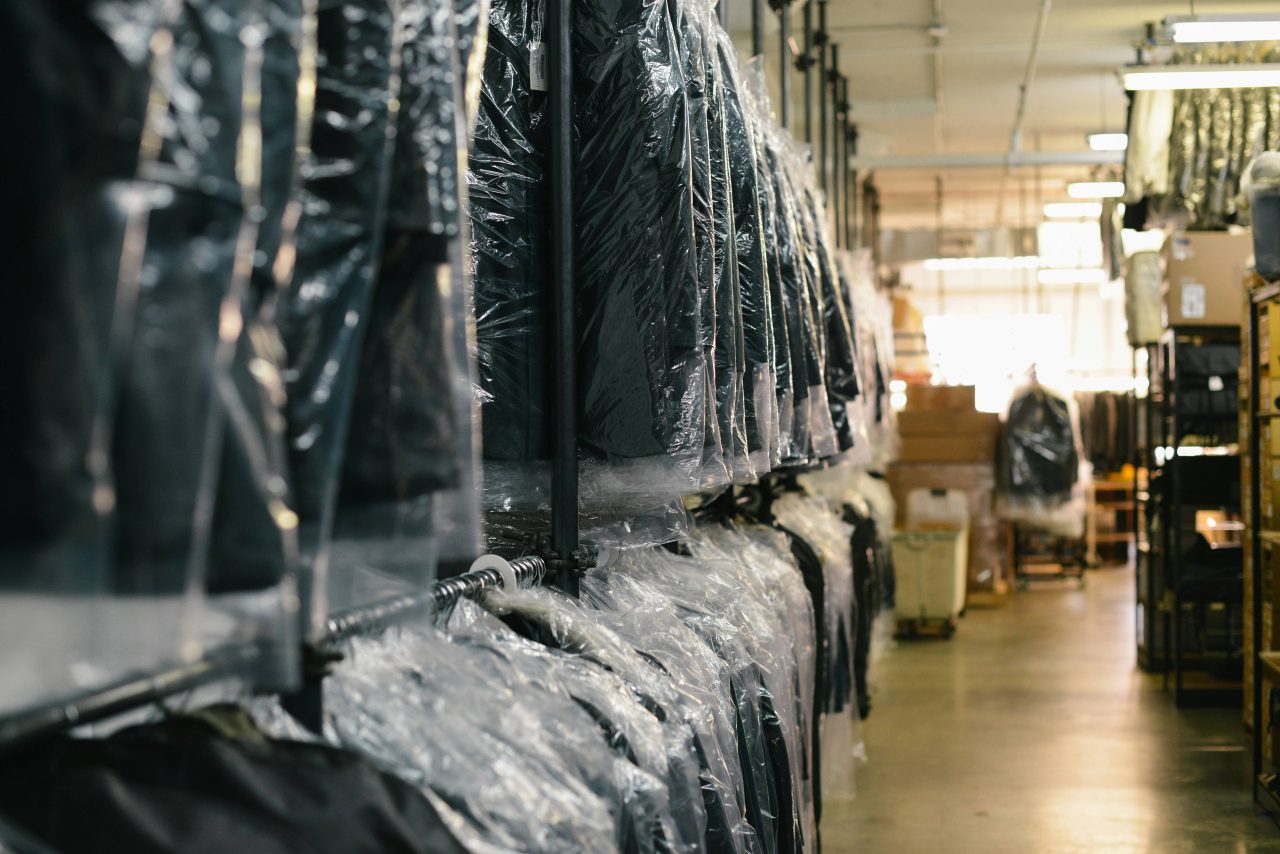
What is 3PL integration?
The simple answer is that it is the connection between your internal systems and your third-party logistics provider’s warehouse processes.
A 3PL handles part or all of your storage, picking, packing, shipping, and sometimes returns. 3PL integration makes sure the information they need moves automatically between systems instead of being passed around manually in spreadsheets, emails, or separate portals.
That can include sales orders being sent to the warehouse, stock updates feeding back into your ERP, delivery confirmations being shared in real time, and returns or credits being recorded accurately. Instead of separate teams chasing separate records, both the brand and the warehouse can see what has been booked in, booked out, delivered, or credited.
This is where 3PL ERP thinking becomes important. A warehouse partner can only move as accurately as the information it receives. If your ERP is the operational backbone of the brand, then your 3PL integration extends that backbone into the warehouse.
Why growing fashion brands rely on 3PL integration
At a certain stage, most brands reach a point where internal fulfilment becomes inefficient. More stock means more space, more labour, more systems, and more room for error. A specialist warehouse can often handle the physical side more efficiently, but outsourcing does not make the work simpler; it just means the challenges move from your own warehouse to the systems and communication between your team and your warehouse partner.
Without proper 3PL integration, brands can end up with the worst of both worlds. The warehouse is external, but the admin burden stays internal. Teams still spend time checking stock, confirming dispatches, correcting order discrepancies, and emailing updates that should already be visible.
Fashion brands feel this quickly because of the detail involved. One style can exist in multiple colours and sizes, across multiple seasons, channels, and delivery windows. Wholesale orders may need part shipments or credit adjustments, while e-commerce adds further movement and tighter expectations.
A connected 3PL ERP setup reduces that friction and gives brands a cleaner way to scale without losing oversight.
Why ERP and 3PL work better together
A 3PL can move goods, but an ERP gives those movements context. Your ERP holds the operational details the warehouse needs to fulfil accurately. It knows what was ordered, what is available, what has been allocated, what is due in, what has already shipped, and what still needs attention. When that information is shared properly with your warehouse partner, fulfilment stops depending on manual updates and starts running from live data.
For fashion businesses, the gains are practical. Stock visibility improves, order accuracy improves, and delivery communication becomes clearer because dispatch status, booked-in stock, and credited items can be reflected back into the ERP. Just as importantly, scaling becomes more realistic, since a connected 3PL ERP model lets brands handle more volume without increasing admin at the same pace.

How syncing ERP and 3PL improves fulfilment accuracy
Fulfilment accuracy depends on everybody working from the same data. When ERP and warehouse systems are disconnected, errors creep in through timing gaps. A warehouse may pick against an outdated stock figure. A sales team may confirm availability that no longer exists. A returns adjustment may not feed back properly, creating confusion later. These problems usually come from small disconnects that build up.
Syncing ERP and 3PL helps remove those disconnects. If stock receipts are updated quickly, your team has a clearer view of what is ready to sell. If orders are pushed straight into the warehouse workflow, picking is based on current data rather than manual interpretation. If shipment confirmations and credits return to the ERP promptly, customer-facing teams can respond with more confidence.
In fashion, that matters even more. Fulfilment is not just about shipping identical units. It is about getting the right style, in the right colour and size, to the right customer or retailer, on the right timeline.
The Recommended Retail Price (RRP) is the initial suggested price of a product, recommended by a brand to a wholesale customer or retailer. This is usually the price that goods will be sold at retail level.
What this looks like in practice with Zedonk
For fashion brands, the goal is not just to connect systems for the sake of it. It is to create one operational flow from product data and orders through to fulfilment and reporting.
That is where Zedonk makes a real difference. Built for fashion businesses, Zedonk brings stock allocation and fulfilment, sales order management, and production and inventory together in one place.
With Zedonk, brands can manage product information and costings, sales orders, stock, allocations and deliveries, and production visibility in a more connected way. When paired with the right integration setup, that creates a stronger bridge between the brand and its warehouse partner.
That benefit comes up often in the real world. We work closely with fashion-specific UK warehouse The Brand Hangar, alongside other fashion specialist warehouses around the world, and one point comes up again and again: when shared clients are using Zedonk, communication is far easier to stay on top of. Both the brand and the warehouse have a clearer view of what has been booked in, booked out, delivered, and credited, which reduces back-and-forth and helps keep fulfilment moving without the usual gaps between systems and teams.
The value of 3PL ERP is not abstract. It shows up in fewer misunderstandings, cleaner fulfilment workflows, and a better grip on day-to-day operations.
How to implement 3PL integration more smoothly
If you want better results from 3PL integration, start with clarity. Define exactly which data needs to move between your ERP and warehouse, usually product data, orders, stock updates, dispatch confirmations, returns, and credits.
Next, make sure your internal processes are consistent. Integration works best when product records, SKU structures, order statuses, and warehouse rules are already clean. It also helps to map exceptions such as partial shipments, backorders, cancelled orders, and credited lines, because these are often where fulfilment accuracy is won or lost.
Finally, choose systems and partners that understand fashion operationally, not just technically. The right software should support the way fashion brands actually work, from product development and stock control to fulfilment, reporting, and third-party integrations.
Bringing fulfilment under control
As your brand grows, fulfilment accuracy cannot depend on memory, workarounds, or endless follow-up. It needs connected systems, reliable data, and a warehouse setup that works as part of the business rather than outside it.
That is why 3PL integration matters, and why the relationship between your warehouse and your ERP system matters even more. When the two are aligned, brands gain better visibility, fewer errors, smoother communication, and more confidence in every order that leaves the building.
For fashion businesses looking to scale without losing control, a strong 3PL ERP setup becomes a genuine growth tool – grow with us.
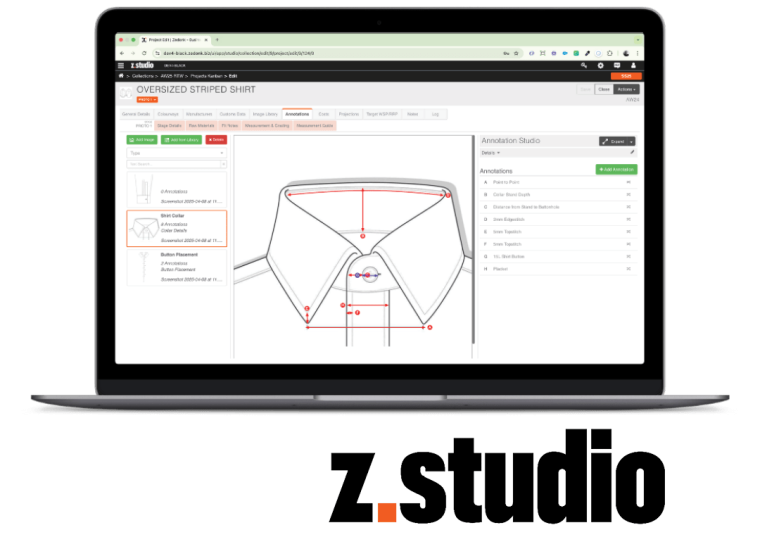 A New Sampling & Tech Pack Solution from Zedonk.