

Why Inventory Turnover Ratio Matters In Fashion Wholesale
In fashion wholesale, stock is more than “what’s in the warehouse” – it’s also cash, tied up in rails, boxes, and pallets. Your inventory turnover ratio is one of the clearest signs of how quickly that stock is moving, how healthy your cash flow is, and whether your buying decisions are working. Get it right, and you free up cash for the next season and new categories. Get it wrong, and you’re stuck discounting and storing excess stock.
If you’re using a fashion ERP with a dedicated production and inventory software module, your turnover data becomes even more powerful, because costs, POs, WIP, and live stock levels all feed into the same place, giving you a true, real-time view of how fast-product is actually moving.
This guide explains what inventory turnover is, how to calculate inventory turnover, what a good inventory turnover ratio can look like for fashion wholesalers – and how your systems can help you improve it, without adding more spreadsheets to your day.

What is inventory turnover in fashion wholesale?
At its simplest, inventory turnover shows how many times you sell and replace your average stock over a period of time (usually a year or a season). Think of it as a speedometer for your stock – it tells you how fast the product is moving through the business.
For fashion wholesalers, it’s especially important because:
- Collections are seasonal and trend-driven – stock can lose value quickly.
- Minimum order quantities (MOQs) can push you to buy more than you really want.
- Retail partners expect strong availability and low cancellations.
A healthy inventory turnover ratio suggests you’re buying roughly the right quantities at the right time and selling through before products become stale. A poor one usually points towards slow-moving lines, overstock, or missed demand.
How to calculate inventory turnover ratio (with a simple formula)
There are a couple of ways to approach how to calculate inventory turnover, but the standard formula is:
Inventory Turnover Ratio = Cost of Goods Sold (COGS) ÷ Average Inventory
Here’s a straightforward example.
- Annual COGS: £2,000,000
- Opening inventory: £400,000
- Closing inventory: £600,000
Average inventory = (£400,000 + £600,000) ÷ 2 = £500,000
Inventory turnover ratio = £2,000,000 ÷ £500,000 = 4
That means you “turned” your inventory four times in that period.
In fashion, you might also look at inventory turnover by season, product category, or customer. For instance, you might discover that your core denim range turns six times a year, while occasion dresses only turn twice. That kind of detail can shape your future buy, your pricing, and where you place styles.
Over time, tracking how to calculate inventory turnover in a consistent way – ideally directly from your ERP – gives you a clear picture of stock performance across the whole business.
What is a good inventory turnover ratio for modern wholesalers?
There’s no single answer to “what is a good inventory turnover ratio?” because it depends on your category, price point, and business model. Basics and carry-over styles typically have steadier demand and can support a slightly lower turnover, while trend-led, seasonal product usually need to move faster.
As a broad rule of thumb:
- Too low, and you’re tying up too much cash in unsold stock.
- Too high, and you may be running too lean, missing sales, or relying too heavily on last‑minute top-ups.
The key is to look at your own numbers over time and compare categories, collections, and key accounts instead of chasing a “perfect” ratio from outside benchmarks.
With the right wholesale system, you can see those numbers in context: by brand, by delivery window, by customer, or even by size. That’s when the ratio stops being an abstract metric and becomes a practical planning tool.
What does a low inventory turnover ratio tell you?
If your inventory turnover ratio is on the low side, it’s usually a warning sign. A low turnover ratio can mean:
- Overbuying: You’ve bought more units than your customers actually want.
- Slow-moving product: Styles are sitting in the warehouse long after the main selling window.
- Range not landing: The collection isn’t resonating with your target retailers or end consumers.
- Weak in-season trading: Late deliveries, poor visibility, or limited in-season action.
For wholesalers, the impact shows up as:
- Cash is stuck in stock instead of being available for next season’s production.
- Higher storage and handling costs.
- Increased risk of heavy discounting, write-offs, or jobbers.
When you understand how to calculate inventory turnover and see it dipping in certain areas, you can act early: trim future orders, shift stock to different channels, or build targeted promotions with key retail partners.

What does a high inventory turnover mean – and is it always good?
Interpreting a high inventory turnover ratio is a bit more nuanced. It usually suggests:
- Strong demand for your product.
- Buying is closely aligned with what customers want.
- Less stock sitting around gathering dust.
But in fashion wholesale, too high can also point to potential problems:
- Frequent stockouts – retailers can’t get the sizes or styles they need, so they turn to another supplier.
- Constant top-ups – you’re always chasing your tail with urgent repeat orders.
- Strain on your team and suppliers – constant reordering and expediting puts pressure on production and logistics.
The aim isn’t simply to push the ratio as high as possible. It’s to find an inventory turnover level that supports availability, margins, and a healthy flow of cash through the business.
How to improve inventory turnover in a practical way
If your numbers aren’t where you’d like them to be, the next step is how to improve inventory turnover without damaging your wholesale relationships. A few practical levers include:
- Use your past seasons wisely: Look back at styles, fabrics, and categories that consistently underperform. Reduce buys in those areas and reinvest in proven winners. A good ERP system makes it easier to view this by customer, region, or channel.
- Build tighter, clearer ranges: Not every style should carry the same weight. Create collections where hero pieces, margin drivers, and “supporting” styles each have a clear role, then check how each group performs rather than treating the whole range as one.
- Bring your stock data into one place: When orders, returns, production, and inventory all live inside one system, planning ahead is just that much simpler. You can see how long stock really takes to sell through and adjust your buying and delivery dates accordingly.
- Trade actively in-season:
- Move stock between customers or channels when sell-through is uneven.
- Introduce promotions or bundles for slow-moving styles before the season ends.
- Spot sizes or colours that are dragging down your average inventory turnover ratio, and adjust future buys.
- Shorten lead times where you can: The faster you can respond to real demand, the less you need to over-commit up front. That might mean using closer suppliers for certain capsules or splitting orders between core and fashion buys.
- Keep a close eye on basics and carry-overs: Basics can quietly absorb a lot of cash. Having clear visibility over how often they turn – and how that changes by customer – helps you avoid “safe” styles becoming slow-moving stock.
A wholesale-focused fashion ERP system like Zedonk doesn’t just store your data. It gives you the visibility you need to understand what your inventory turnover is really telling you – from the moment you raise a PO to the last unit shipped.
Turning your inventory turnover into a growth tool
Ultimately, the question isn’t just “what is inventory turnover?” – it’s “how can we use this ratio to build a stronger, more profitable wholesale business?”
By tracking inventory turnover in a consistent way, understanding what a healthy inventory turnover ratio looks like for your categories, spotting early warning signs from low or unusually high ratios, and feeding those insights back into your buying and production planning, you move from reactive firefighting to proactive growth.
And when your wholesale ERP system brings together orders, production, and stock in one place, inventory turnover stops being a scary finance term and becomes one of the most practical tools in your kit. Read our article on how inventory management works and why you need an ERP, or reach out to our team to book a demo.

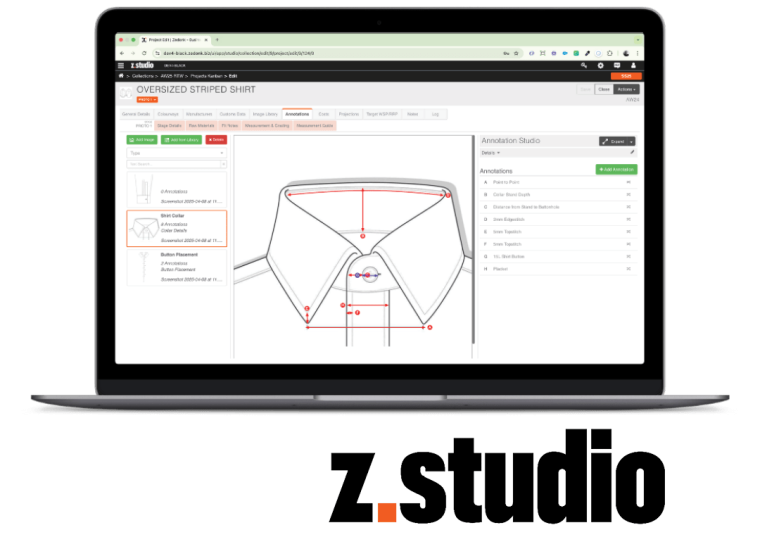 A New Sampling & Tech Pack Solution from Zedonk.